














In combat sports like boxing, kickboxing, Muay Thai, and mixed martial arts, sparring is a vital part of training. It’s where fighters test their skills, develop timing, and learn to handle real combat pressure in a controlled environment. But no matter how experienced you are, sparring is still physical and carries risk. That’s why headgear isn’t just another optional piece of equipment—it’s an essential tool for safety, confidence, and longevity in training.
1. Protecting Against Cuts and Bruises
One of the main reasons headgear is so important in sparring is protection from superficial injuries. While a clean shot to the face can teach valuable defensive lessons, there’s no reason to leave the gym with cuts or black eyes every session—especially if you have to go to work the next day.
Headgear provides a layer of padding that cushions glancing blows, reducing the chances of cuts, scrapes, and bruises caused by gloves, elbows, or head clashes. Combat sports are already demanding enough; you don’t need to look like you’ve gone through a war after every sparring round.

2. Reducing the Risk of Head Trauma
It’s important to understand that headgear does not prevent concussions—but it can mitigate the force of impact and reduce the number of hard, repeated shots a fighter takes during training. Even at moderate intensity, sparring delivers consistent blows to the head, which can add up over months and years.
Good quality headgear absorbs and disperses part of that impact, lessening the jarring effect on your brain. It doesn’t make you invincible, but it helps minimize cumulative damage—especially when you’re logging dozens of rounds per week. Longevity in combat sports depends on staying healthy, both physically and mentally, and headgear plays a key role in that protection.
3. Building Confidence and Focus
For beginners and even intermediate fighters, sparring can be intimidating. The thought of catching a solid punch or kick often triggers hesitation and fear. Wearing headgear adds a psychological layer of security, allowing fighters to relax, move better, and focus on improving their technique instead of flinching or avoiding engagement.
When you feel more secure, you can spar with better form and timing, making the experience more productive for both partners. Over time, this confidence translates into sharper reflexes and more strategic sparring sessions.
4. Protecting the Nose, Cheeks, and Ears
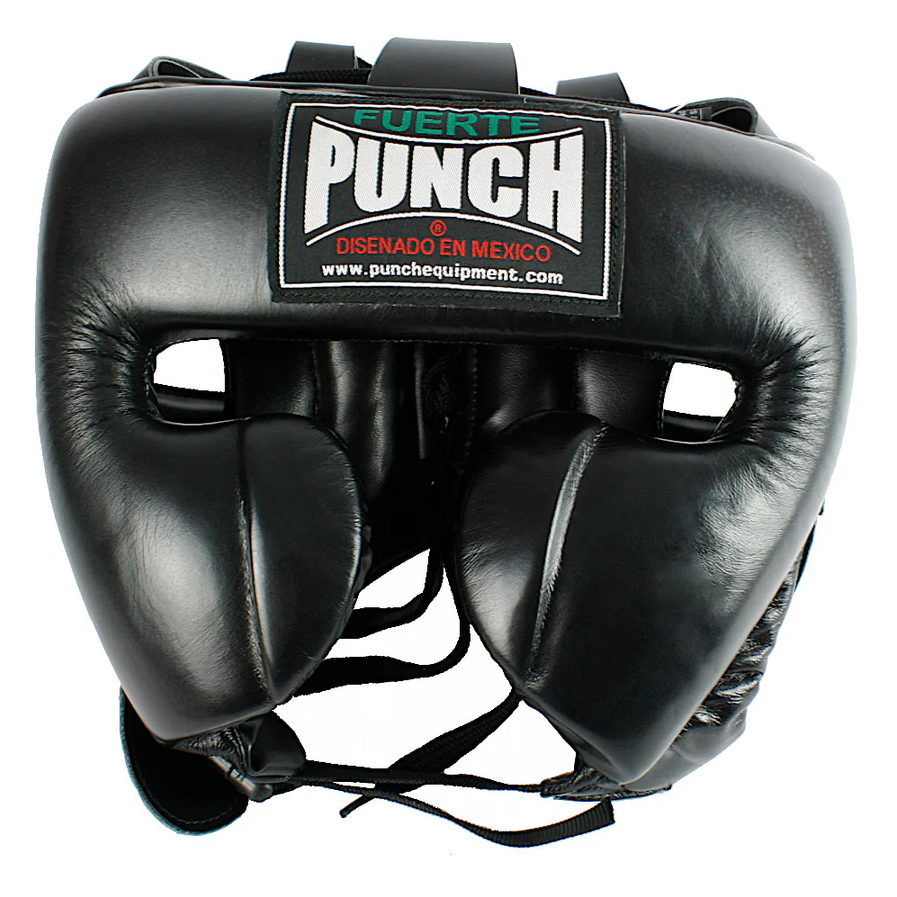
Different types of headgear cater to specific areas of protection. For example, open-faced styles offer maximum visibility while still guarding the cheeks and forehead, while full-face headgear provides additional coverage for the nose and jaw. Fighters prone to broken noses or facial injuries benefit enormously from that added layer.
Similarly, coverage over the ears helps prevent injuries such as cauliflower ear, common in grappling-heavy sports. That means your headgear doesn’t just protect your brain—it also prevents cosmetic and structural damage that could otherwise sideline your training.
5. Promoting a Safer Gym Culture
In any good gym, safety and respect come first. Wearing headgear demonstrates that you and your partners take precaution seriously. It encourages a responsible sparring environment, where fighters can push each other to improve without risking unnecessary harm. Coaches often require headgear for exactly this reason—it keeps fighters safe, focused, and able to train consistently over the long term.
The Final Verdict
Headgear isn’t about being soft—it’s about being smart. While it won’t completely eliminate the risks of sparring, it dramatically reduces the chances of cuts, bruises, and repeated trauma. It helps you build confidence, promotes longevity, and supports a culture of safety and respect in the gym.
If you’re serious about combat sports, investing in good-quality headgear is one of the best decisions you can make. Protect your head, protect your future, and keep training strong.